Your cart
There are no more items in your cart

Data sheet
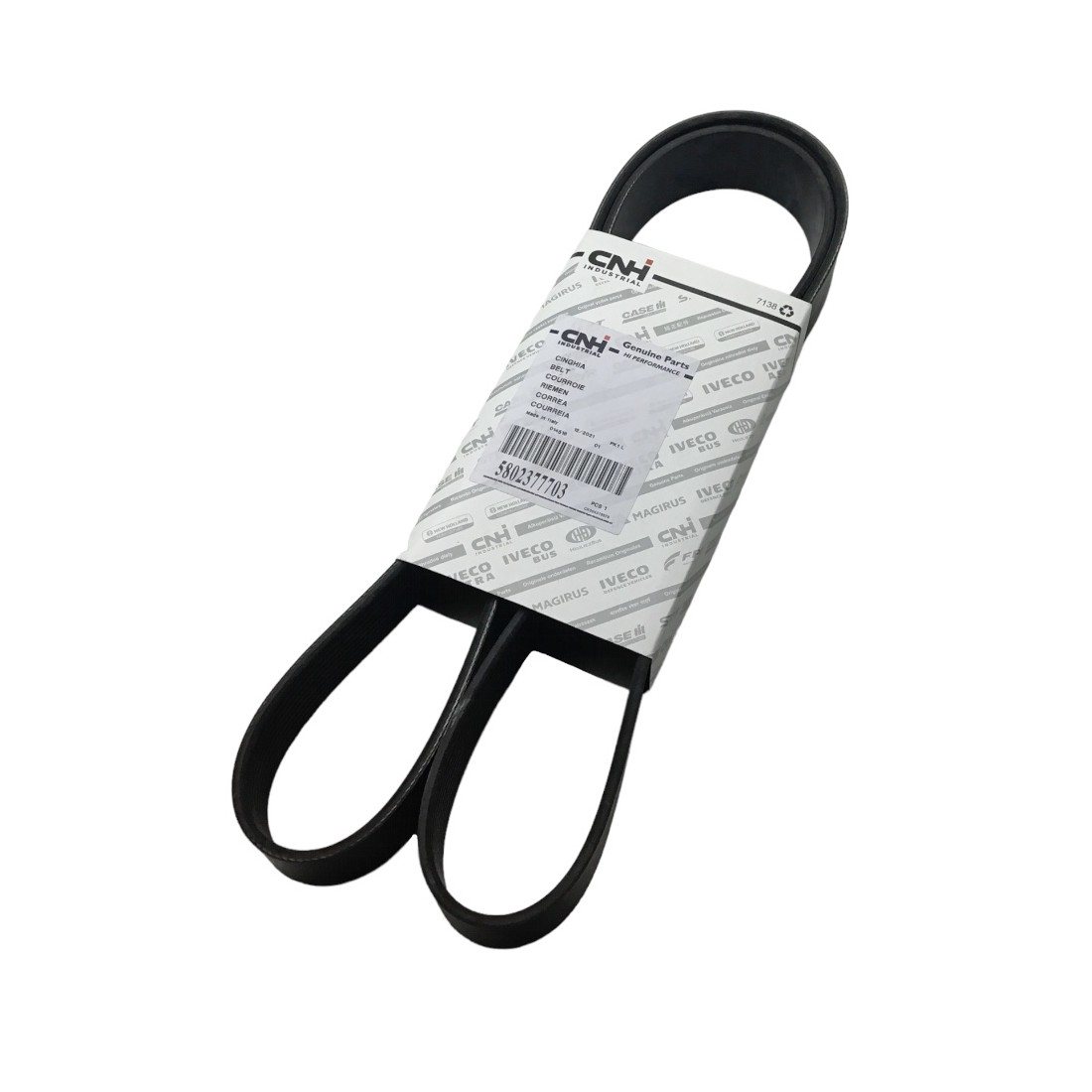
The Iveco-Fpt belt is an essential component in the power transmission system of industrial and agricultural engines. This element is designed to ensure the proper functioning of various applications, contributing to the synchronization of engine components. Its design and manufacturing are geared toward meeting the demands of Iveco and Fpt engines, ensuring proper power transmission.
This type of belt is used in a wide range of engines and is compatible with various models of agricultural and industrial machinery. Its versatility allows it to be used in a variety of applications, such as:
The belt is compatible with various Iveco and Fpt engine models, making it an ideal choice for machinery maintenance and repair. Some of the most common models include:
This component is manufactured with materials that guarantee adequate strength and durability. Its design allows for easy integration into the engine's transmission system, ensuring the necessary alignment and tension for optimal operation. The belt is designed to withstand demanding working conditions, making it suitable for use in industrial and agricultural environments.
Proper belt maintenance is essential to ensure engine longevity and proper machine operation. Periodic inspections are recommended for signs of wear or damage. If problems are identified, it is important to replace the belt to prevent drive system failure.
The use of this component in industrial and agricultural engines offers multiple benefits, such as:
The Iveco-Fpt belt is a key component in the operation of industrial and agricultural engines. Its specific design and compatibility with a variety of models make it a reliable option for machinery maintenance. Ensuring this element is in optimal condition is essential for the proper functioning of the engine and machinery in general.