Your cart
There are no more items in your cart

Data sheet
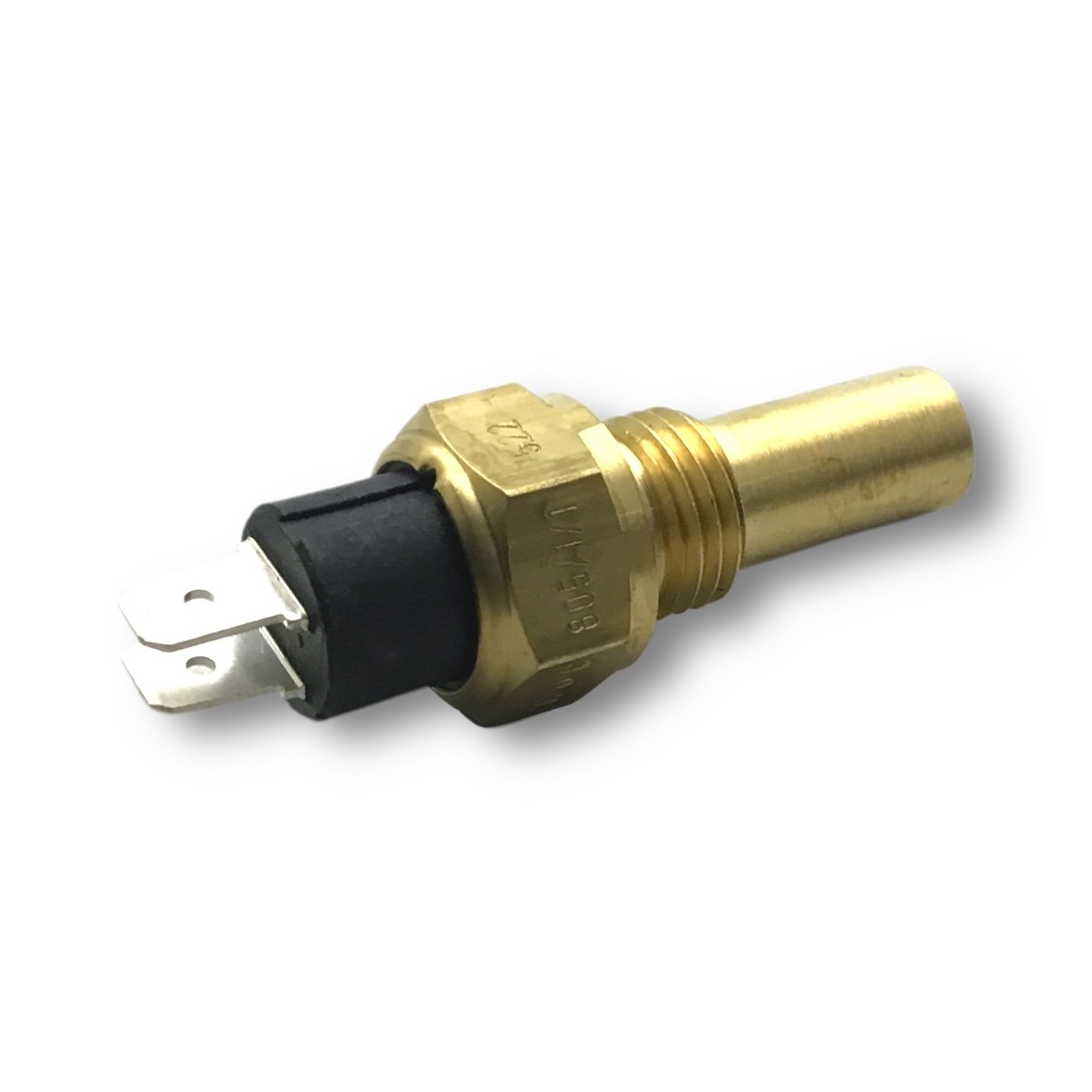
The oil pressure sensor is an essential component in the lubrication systems of industrial and agricultural engines. This device monitors the engine's oil pressure, ensuring it remains within the proper parameters for optimal operation. Its design and functionality are crucial for proper engine performance, as inadequate pressure can lead to mechanical failure and severe damage.
The main function of this sensor is to detect the oil pressure in the engine's lubrication circuit. When the pressure falls below established levels, the sensor sends a signal to the engine management system, which can trigger an alert on the instrument panel. This allows the operator to take preventive measures to avoid engine damage.
This sensor is compatible with a variety of Iveco and FPT engine models, making it a versatile choice for different applications. Its design has been adapted to integrate seamlessly into the lubrication systems of these engines, ensuring simple installation and efficient operation. Some of the most common models that use this sensor include:
Oil pressure sensors are used in a variety of applications, both industrial and agricultural. They are commonly used in heavy machinery, commercial vehicles, and agricultural equipment, where oil pressure monitoring is critical for engine maintenance. Specific applications include:
This sensor is designed to operate under demanding conditions, making it suitable for harsh working environments. Its robust construction withstands vibrations and extreme temperatures, ensuring reliable operation over time. Furthermore, its sensing technology provides accurate readings, which is essential for continuous engine health monitoring.
Maintaining the oil pressure sensor is essential to ensure its proper functioning. Periodic inspections are recommended to verify its condition and operation. If faults or erroneous readings are detected, it is advisable to replace it to avoid major engine problems. Replacement of this component should be performed by qualified personnel, following the engine manufacturer's recommendations.
The oil pressure sensor is a critical component in engine management, providing vital information on the status of the lubrication system. Its compatibility with various Iveco and FPT engine models, along with its ability to operate in harsh conditions, makes it a suitable choice for a wide range of industrial and agricultural applications. Maintaining this sensor in optimal condition is essential to ensure the longevity and proper functioning of the engine.