Your cart
There are no more items in your cart

Data sheet
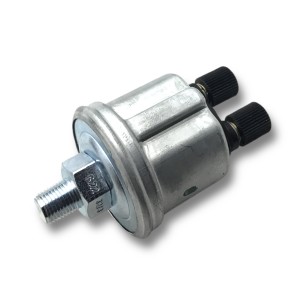
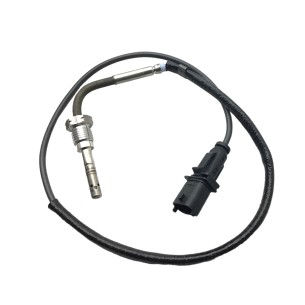
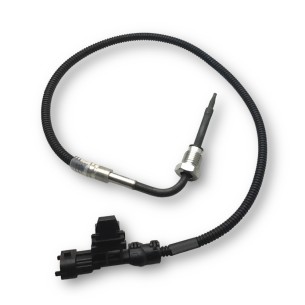
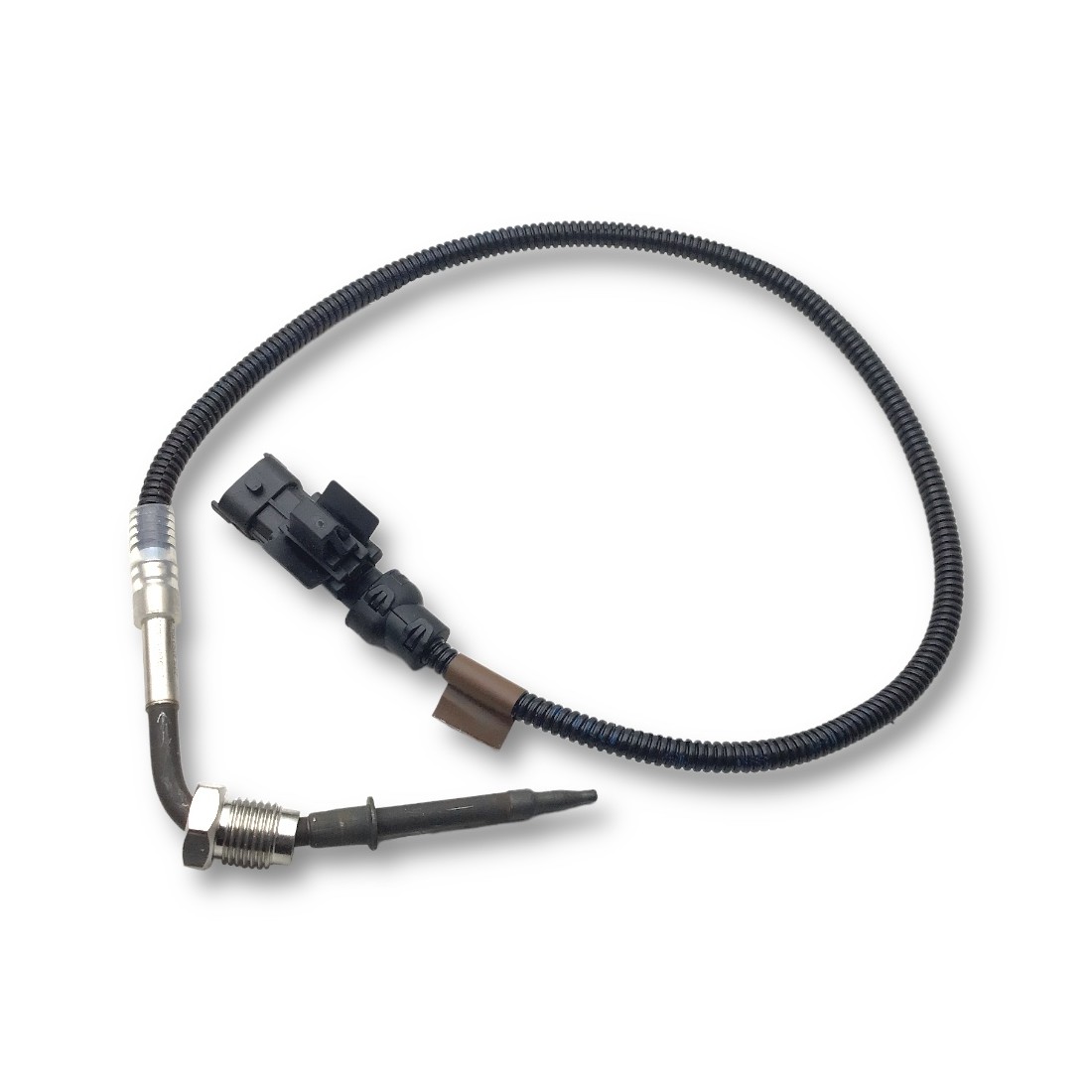
The temperature sensor is an essential component in engine management systems, designed to provide accurate information on coolant temperature. This device is essential for the proper functioning of Iveco and FPT engines, ensuring that the cooling system operates within established parameters. Below is a detailed technical description of this sensor, its applications, and compatibility.
The temperature sensor is designed to measure the temperature of the engine's coolant. Its main function is to send electrical signals to the engine control unit (ECU), thus allowing proper adjustment of engine operating parameters. This component is crucial for preventing overheating and ensuring optimal engine performance.
This sensor is used in a variety of applications within the industrial and agricultural sectors. It is commonly found in commercial vehicle engines, heavy machinery, and agricultural equipment. Its rugged design and ability to operate in harsh conditions make it ideal for environments where constant engine temperature monitoring is required.
The temperature sensor is compatible with a wide range of Iveco and FPT engine models. Some of the most relevant models are listed below:
It is important to verify compatibility with the specific engine model in question to ensure proper operation.
The temperature sensor is designed with materials that ensure its durability and resistance to extreme conditions. Its construction allows for a rapid response to temperature changes, which is essential for effective engine monitoring. Additionally, the connector design facilitates integration with the vehicle or machinery's electrical system.
Proper maintenance of the temperature sensor is crucial to ensure its long-term performance. Periodic inspections are recommended for any signs of wear or damage. If a malfunction is identified, it is advisable to replace the sensor to prevent problems with the engine cooling system.
The temperature sensor is a vital component in Iveco and FPT engine management, providing critical information for cooling system control. Its robust design and wide compatibility with different engine models make it a reliable choice for industrial and agricultural applications. To ensure optimal engine operation, it is essential to consider the quality and condition of the temperature sensor during regular equipment maintenance.