Your cart
There are no more items in your cart

Data sheet
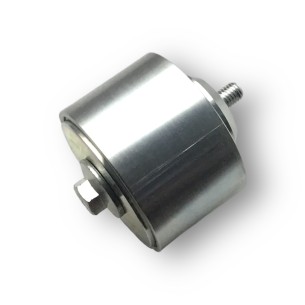
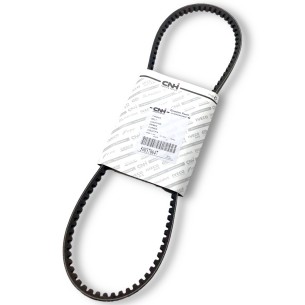
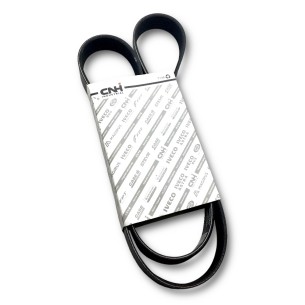
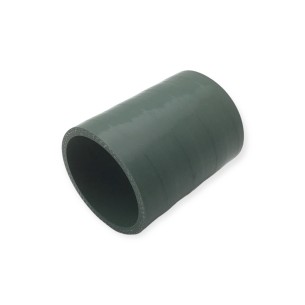
The Iveco-Fpt belt is an essential component in the power transmission system of industrial and agricultural engines. This element is used in a variety of applications, ensuring the proper synchronization and operation of the mechanical systems in which it is integrated. Its design and manufacturing are geared toward meeting the demands of Iveco and Fpt brand engines, ensuring adequate compatibility with different models and configurations.
This type of belt is commonly used in commercial vehicle engines, agricultural machinery, and industrial equipment. Its versatility allows it to be used in a variety of applications, including:
The Iveco-Fpt belt is compatible with a wide range of engine models, making it an ideal choice for machinery maintenance and repair. Some of the most notable models include:
It is essential to verify compatibility with the specific engine in question, as this ensures optimal performance and prolongs the component's lifespan.
The belt is designed to withstand demanding working conditions, making it suitable for industrial and agricultural environments. Its construction is designed to provide efficient power transmission, minimizing wear and friction. Furthermore, its design allows for easy integration into existing drive systems, facilitating its use in a variety of engine configurations.
Proper belt maintenance is crucial to ensure proper engine operation. Periodic inspections are recommended for signs of wear or damage. If problems are identified, it is advisable to replace the component to prevent transmission system failure.
The Iveco-Fpt belt is a key component in the power transmission of industrial and agricultural engines. Its wide compatibility with different engine models and its ability to operate under demanding conditions make it a reliable choice for machinery maintenance. To ensure optimal performance, it is important to follow maintenance recommendations and perform regular inspections of the component.