Your cart
There are no more items in your cart

Data sheet
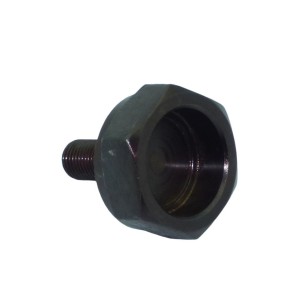
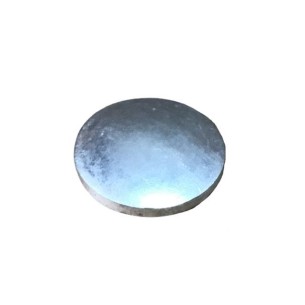
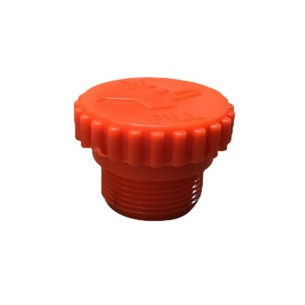
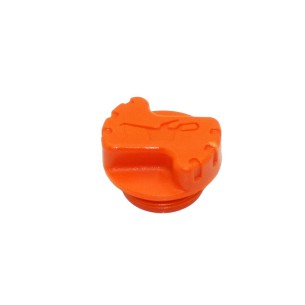
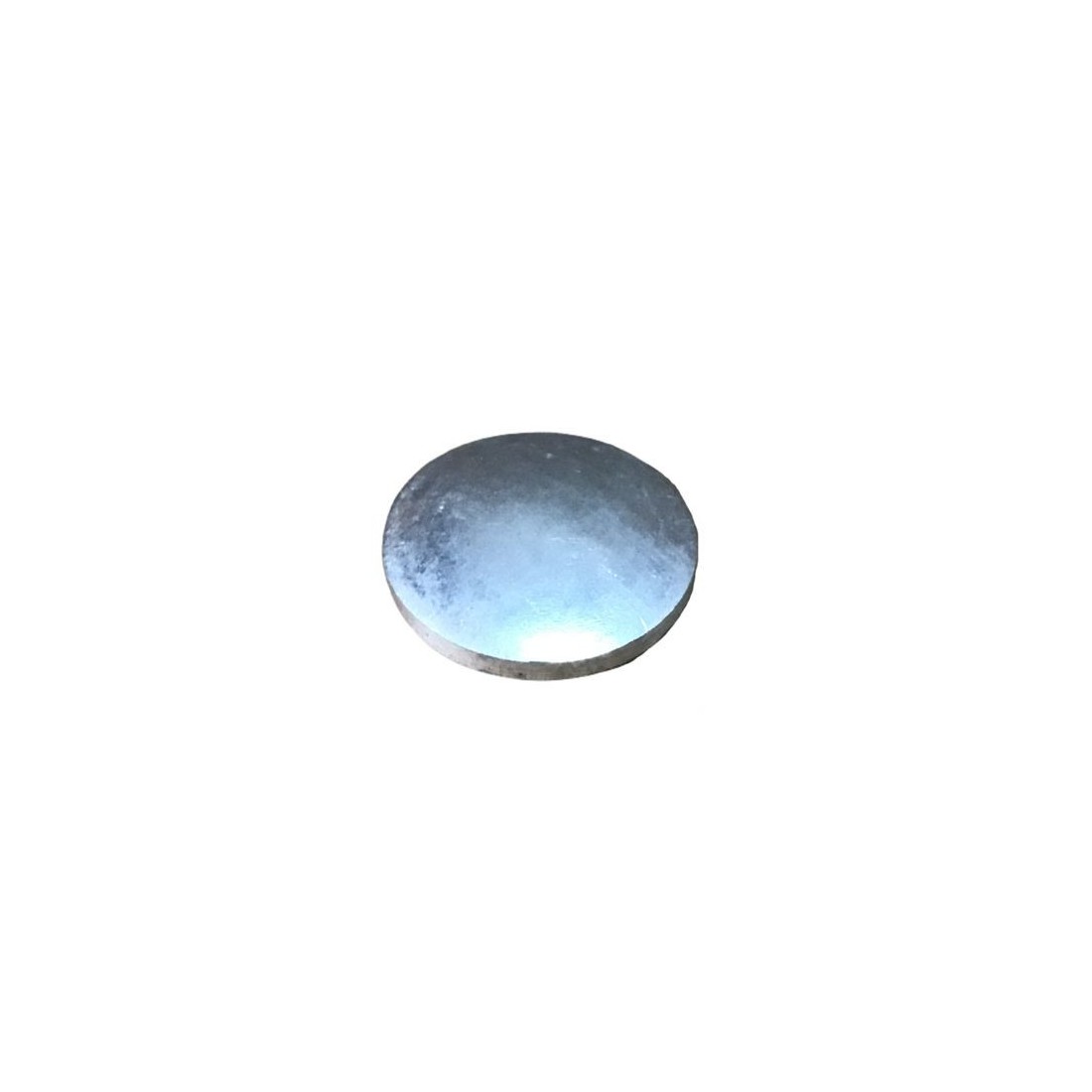
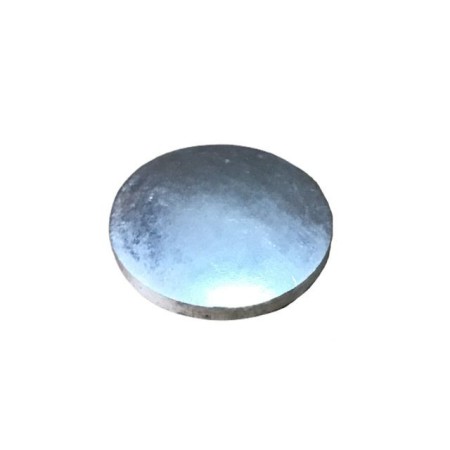
The cap for Lombardini 4LD640, 4LD705, and 4LD820 models is an essential component in the sealing system of these series engines. This element is designed to ensure proper sealing of the system, preventing fluid leaks and ensuring optimal engine performance. Below is a detailed description of this product, including its applications and compatibility.
This plug is compatible with the following Lombardini engine models:
Compatibility with these models ensures that the cap fits precisely, maintaining the integrity of the sealing system and contributing to proper engine operation.
The plug is used in various industrial and agricultural applications, where Lombardini engines are commonly used. Some of the most common applications include:
Thanks to its specific design, this plug is suitable for environments requiring a high level of reliability and durability, contributing to the operational efficiency of the equipment in which it is installed.
The cap is made of materials that guarantee adequate resistance to the typical operating conditions of Lombardini engines. Its design allows for easy integration into the engine system, ensuring a tight seal that prevents fluid loss. This component is essential for maintaining adequate pressure within the system, which is crucial for engine performance.
It's recommended to periodically check the cap to ensure it's in good condition. If signs of wear or damage are detected, it should be replaced to prevent problems with the sealing system. A damaged cap can cause leaks, which could affect engine performance and cause further damage.
The oil filler cap for Lombardini 4LD640, 4LD705, and 4LD820 engines is a key component that ensures system tightness. Its design and compatibility with these specific models make it an ideal choice for industrial and agricultural applications. Maintaining this component in optimal condition is essential to ensure the operability and longevity of the engines in which it is used.